Avoid Skin Irritation from Sweat and Friction: Simple Preventive Tips


Avoid Skin Irritation from Sweat and Friction: Simple Preventive Tips
When temperatures rise or you’re physically active, sweat and friction can quickly lead to skin irritation. Redness, itching, and burning are not only uncomfortable—they can also develop into more serious skin problems if left untreated. Fortunately, a few simple habits can help you prevent most cases of irritation. Here’s how to keep your skin healthy and comfortable, whether you’re working out, spending time outdoors, or just going about your day.
Why Skin Irritation Happens
Skin irritation caused by sweat and friction—often referred to as heat rash or chafing—occurs when moisture and movement combine. Sweat softens the skin, making it more vulnerable, and when clothing, shoes, or skin surfaces rub together, it can cause small abrasions and inflammation. Common trouble spots include:
- Underarms, groin, and inner thighs
- Under the breasts or around the waistband
- Feet and hands during sports or physical work
Anyone can experience irritation, but the risk is higher if you sweat heavily, wear tight clothing, or move a lot in hot or humid conditions.
Læs også:




Keep Skin Clean and Dry
The most effective prevention is keeping your skin as dry as possible. Wash daily with a gentle cleanser and dry thoroughly—especially in skin folds. Use a soft cotton towel that absorbs moisture well.
If you tend to sweat a lot, consider applying talcum powder or a moisture-absorbing body powder to vulnerable areas. This helps reduce friction and keeps the skin dry longer. Don’t overdo it, though—too much powder can clump and cause more irritation.
Choose the Right Clothing
What you wear makes a big difference. Opt for loose-fitting, breathable fabrics like cotton or moisture-wicking performance materials that draw sweat away from your skin. Avoid synthetic fabrics that trap heat and moisture.
For workouts, choose clothing with flat seams or seamless designs in areas prone to rubbing. This can significantly reduce chafing, especially on the inner thighs and underarms.
Use Protective Products
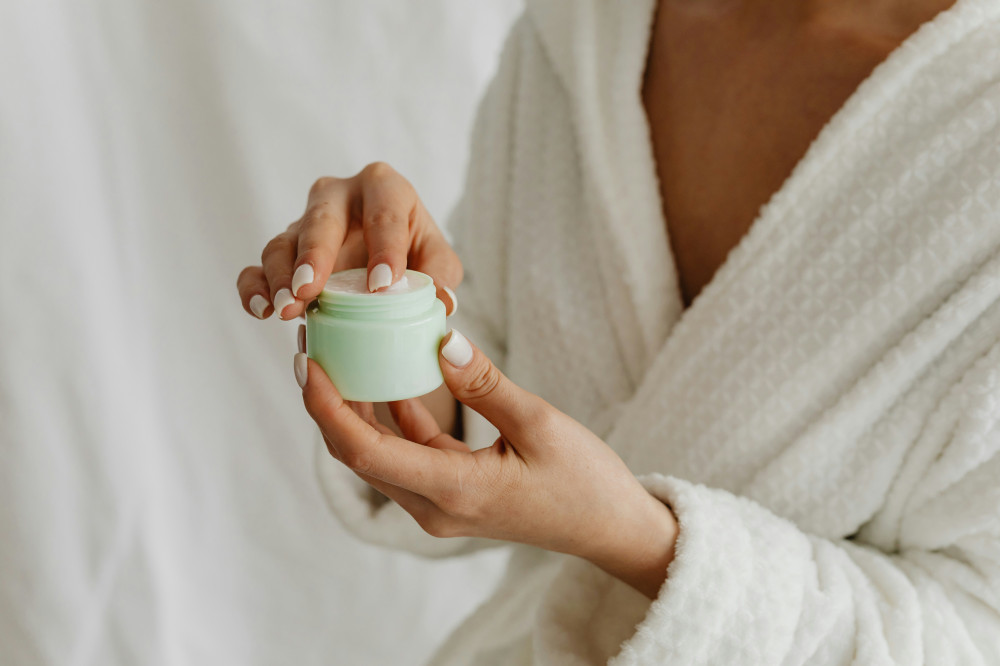
Several products can create a protective barrier on your skin. A light moisturizer or an anti-chafing balm or gel can be very effective, especially before physical activity. These products reduce friction and protect the skin from the salt in sweat.
If irritation has already developed, a soothing cream containing zinc oxide, aloe vera, or panthenol can help the skin heal faster. Avoid fragranced products, as they can worsen irritation.
Take Care After Exercise
After a workout or a hot day, it’s important to remove sweat and bacteria from your skin. Shower as soon as possible and change into clean, dry clothes. Wash your workout gear regularly—damp clothing left in a gym bag can quickly become a breeding ground for bacteria.
After showering, apply a light, fragrance-free moisturizer to help restore your skin’s natural balance and prevent dryness.
When to Seek Medical Advice
Most cases of skin irritation clear up on their own, but if you notice persistent redness, swelling, oozing, or pain, contact a healthcare provider. These could be signs of infection or another skin condition that requires treatment.
Small Habits, Big Difference
Skin irritation from sweat and friction is rarely serious, but it can be painful and disruptive. With a few preventive steps—choosing the right clothing, maintaining good hygiene, and using protective products—you can avoid most problems. The key is to give your skin the care it needs to breathe, move, and recover comfortably.
Læs også: