Eat Right Before and After Your Workout: Boost Energy and Improve Recovery

Eat Right Before and After Your Workout: Boost Energy and Improve Recovery
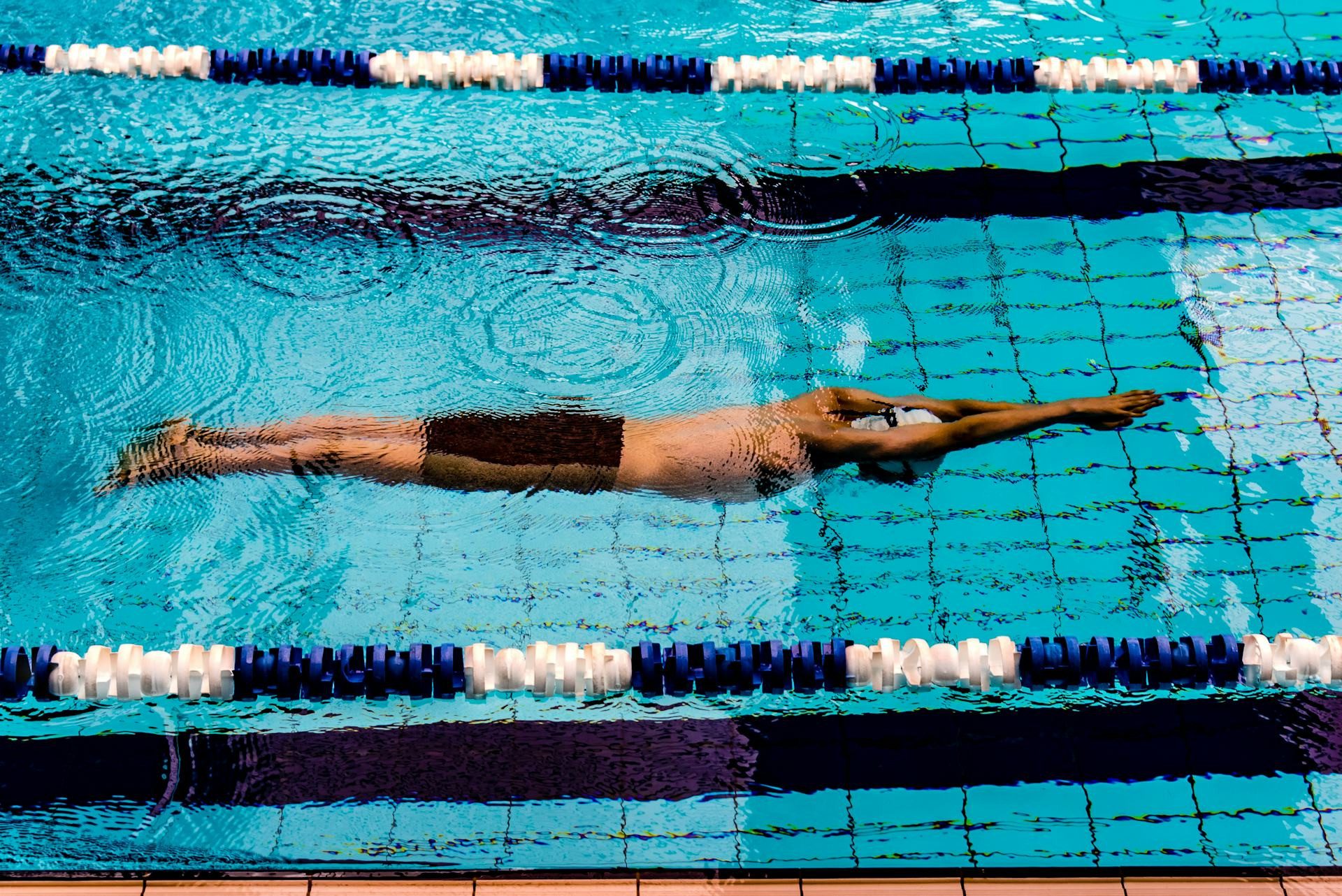
Whether you’re training to get stronger, run faster, or simply feel more energized throughout the day, what you eat plays a key role. The food you choose before and after your workout can make a big difference in both performance and recovery. With the right timing and balance of nutrients, you can get more out of your workouts—and avoid unnecessary fatigue or soreness. Here’s a guide to eating smart before and after exercise.
Before Your Workout: Fuel Up the Right Way
The goal of your pre-workout meal is to give your body the energy it needs and prevent you from running out of steam mid-session. It’s all about finding the right mix of carbohydrates, protein, and healthy fats—and eating at the right time.
2–3 Hours Before Exercise
A balanced meal a few hours before your workout should include complex carbs, lean protein, and a bit of healthy fat. This combination provides steady energy and helps you avoid hunger during your session.
Examples:
- Whole-grain pasta with grilled chicken and vegetables
- Brown rice bowl with salmon and avocado
- Oatmeal topped with berries, nuts, and Greek yogurt
30–60 Minutes Before Exercise
If you’re eating closer to your workout, go for a light snack that’s mostly carbs with a little protein. Avoid too much fat or fiber, which can cause stomach discomfort while exercising.
Examples:
- A banana or apple with a spoonful of peanut butter
- A small smoothie made with yogurt and fruit
- A handful of raisins or a low-sugar energy bar
Don’t forget to hydrate—drink a glass or two of water in the hours leading up to your workout. Staying hydrated is essential for peak performance.
During Your Workout: Keep Energy Levels Steady
For workouts under an hour, water is usually enough. If you’re training longer or at high intensity, you may benefit from extra fuel in the form of a sports drink, fruit, or an energy gel. These help maintain blood sugar levels and delay fatigue.
A good rule of thumb is to sip water regularly, especially if you’re sweating heavily or exercising in hot conditions.
After Your Workout: Support Recovery
After exercise, your body needs to replenish energy stores and repair muscle tissue. This is where your post-workout nutrition really matters.
Within 30 Minutes
A small snack or meal that includes both carbs and protein helps your body recover faster. Carbs restore glycogen levels, while protein supports muscle repair and growth.
Examples:
- A smoothie with milk, banana, and protein powder
- Greek yogurt with fruit and a drizzle of honey
- A whole-grain wrap with turkey or cheese
1–2 Hours After Exercise
Follow up with a larger, balanced meal that includes carbs, protein, and vegetables. This could be lunch or dinner, depending on when you train.
Examples:
- Grilled salmon with quinoa and roasted vegetables
- Chicken with brown rice and a side salad
- A vegetarian lentil stew with whole-grain bread
Hydration and Electrolytes: The Often-Overlooked Factor
Sweating doesn’t just make you lose water—it also depletes electrolytes like sodium and potassium. During long or intense workouts, it can be helpful to replace these through a sports drink or foods like bananas, nuts, or lightly salted snacks.
A simple way to check your hydration is by the color of your urine: it should be light yellow. If it’s dark, you need more fluids.
Match Your Nutrition to Your Workout Type
Your energy and nutrient needs depend on the kind of exercise you do:
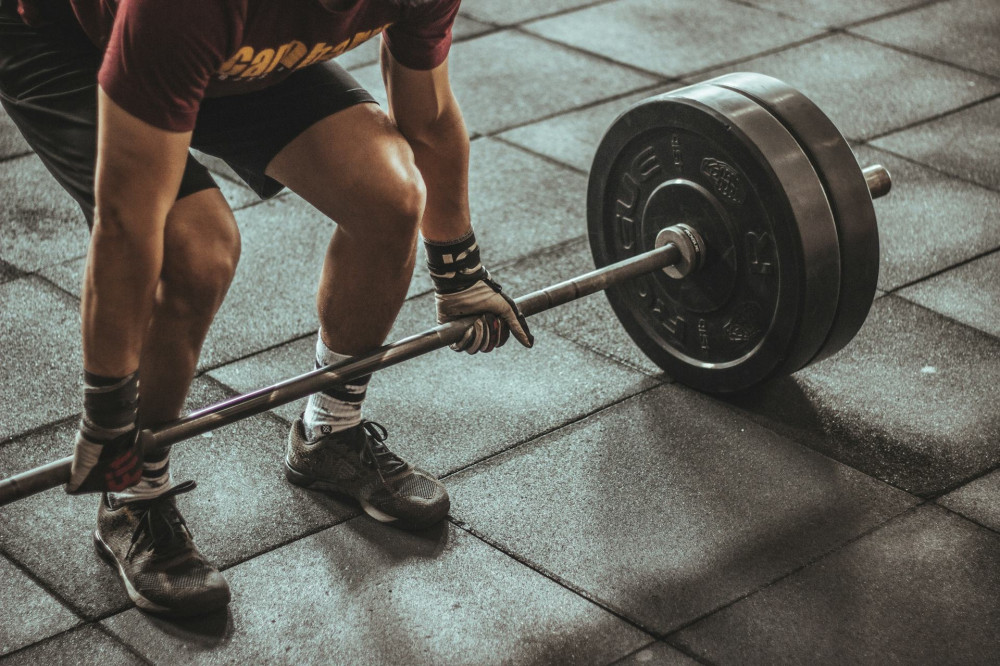
- Strength training: Focus on protein for muscle building and moderate amounts of carbs.
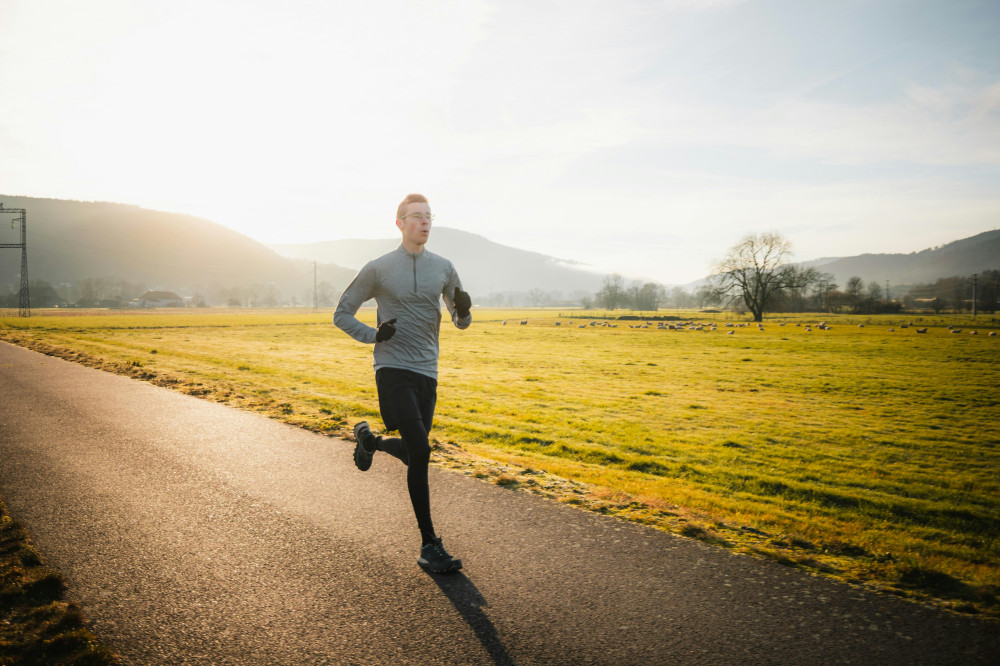
- Endurance training: Make sure to get plenty of carbs before and after workouts to keep energy levels up.
- Light exercise or weight loss goals: Eat lightly before training and choose nutrient-dense, satisfying meals afterward to support fat burning.
The most important thing is to listen to your body. If you feel sluggish, bloated, or overly tired, it might be time to adjust your meal timing or portion sizes.
Læs også:

Small Changes, Big Results
Eating right before and after your workouts isn’t about strict rules—it’s about giving your body what it needs to perform and recover. With a few simple adjustments, you can experience more energy during exercise, faster recovery, and better long-term results.
So next time you lace up your sneakers or roll out your yoga mat, remember: your performance starts in the kitchen.
Læs også: