New Life for Tired Locks – How an Effective Hair Treatment Works

New Life for Tired Locks – How an Effective Hair Treatment Works
Dry, frizzy, or lifeless hair can make even the best haircut lose its shine. Fortunately, there’s a way to bring your hair back to life: an effective hair treatment. But what exactly happens when you use one—and how do you choose the right treatment for your hair? Here’s a guide to how hair treatments work and how to get the most out of them.
Why Your Hair Needs Extra Care
Everyday life can be tough on your hair. Washing, styling, sun exposure, wind, and heat from blow dryers or flat irons all take their toll. Over time, hair loses moisture and protein, leaving it dry, dull, and fragile.
A hair treatment works as an intensive conditioner that penetrates deeper into the hair shaft than a regular conditioner. It restores moisture balance, strengthens the inner structure of the hair, and protects it from future damage. The result is softer, stronger, and shinier hair.
How a Hair Treatment Works
A good hair treatment is formulated with active ingredients that target different layers of the hair:
- Moisturizing ingredients like aloe vera, glycerin, and natural oils help lock in moisture and improve elasticity.
- Proteins such as keratin, silk, or wheat protein repair structural damage and strengthen the hair from within.
- Fatty acids and vitamins from oils like argan, coconut, or jojoba protect the hair’s surface and add shine.
When you apply a treatment, warmth and moisture help open the hair’s cuticle layer, allowing the active ingredients to penetrate deeply. After rinsing, the cuticle closes again, leaving the hair smooth and healthy-looking.
Choosing the Right Treatment for Your Hair Type
Not all hair treatments are the same—and choosing one that fits your hair’s specific needs makes all the difference.
- Dry or frizzy hair: Go for a deeply moisturizing treatment with oils and butters such as shea butter or coconut oil.
- Damaged or chemically treated hair: Choose a protein-rich formula that rebuilds the hair’s structure.
- Fine hair: Opt for a lightweight treatment that won’t weigh it down—look for ingredients like aloe vera or panthenol.
- Color-treated hair: Use a color-safe, sulfate-free treatment to help your color last longer.
If you’re unsure, alternate between a moisturizing and a strengthening treatment to maintain a good balance of softness and resilience.
How to Use a Hair Treatment Correctly
Even the best product won’t deliver results if it’s not used properly. Follow these steps for the best outcome:
- Wash your hair with shampoo to remove dirt and product buildup.
- Towel-dry gently so your hair is damp but not dripping wet.
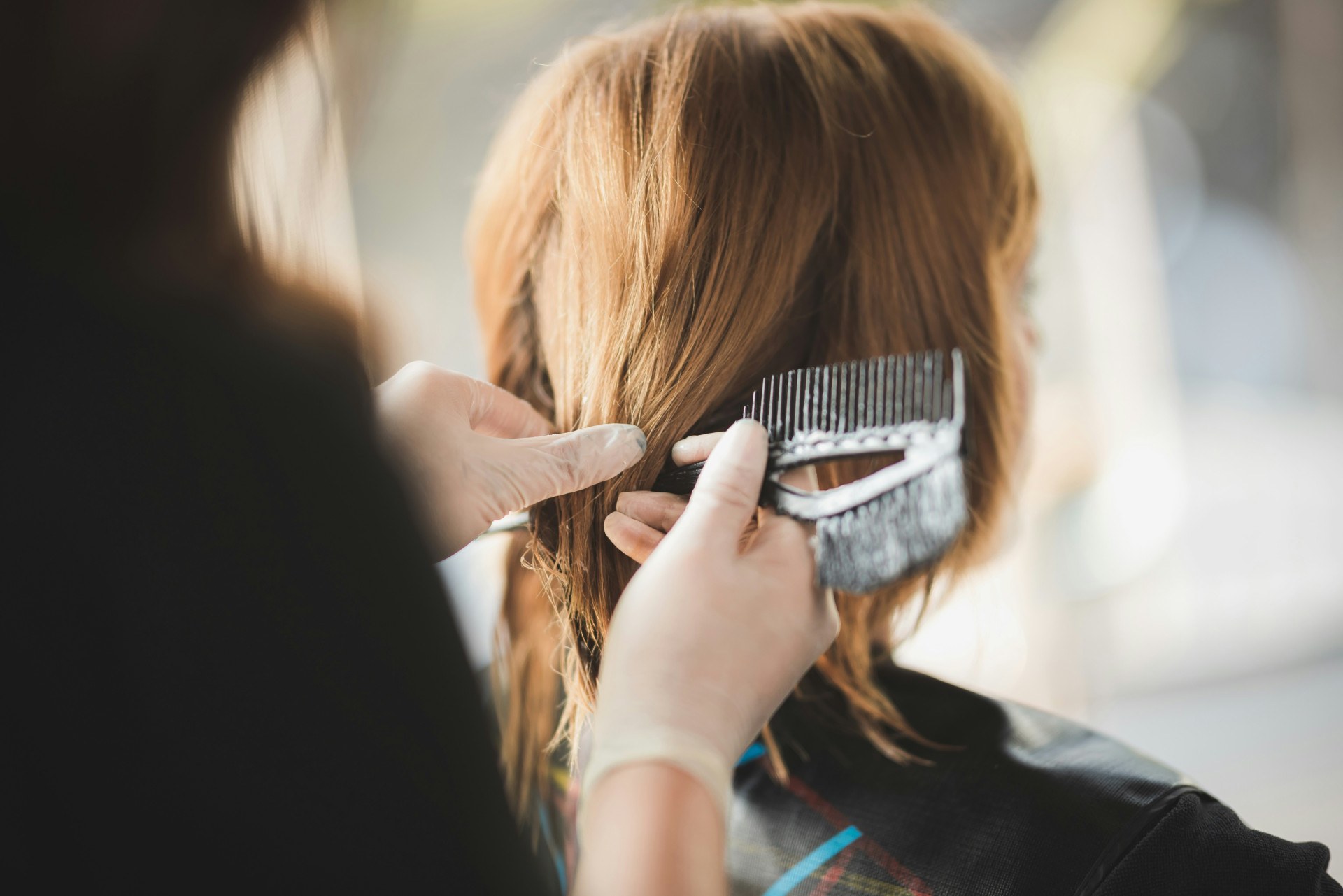
- Apply the treatment evenly through the lengths and ends. Avoid the scalp unless the product is designed for it.
- Let it sit for 5–10 minutes (or longer if recommended). For extra effect, wrap your hair in a warm towel or shower cap.
- Rinse thoroughly with lukewarm water, finishing with a cool rinse to seal the cuticle.
For most people, once a week is enough, but very dry or damaged hair may benefit from two treatments per week.
Læs også:
DIY Hair Treatments – Natural Care from Your Kitchen
If you prefer a more natural approach, you can easily make a simple hair treatment at home. A classic combination is avocado, honey, and olive oil, which provides both moisture and nourishment. Mash the ingredients together, apply to your hair, and leave it on for about 20 minutes before rinsing. It’s an easy and affordable way to give your hair a hydration boost.
Make Hair Treatments a Regular Part of Your Routine
A hair treatment isn’t just a rescue remedy for damaged hair—it’s an investment in long-term hair health. By using one regularly, you can prevent breakage, maintain shine, and make your hair easier to style.
Combine your treatment routine with gentle washing, minimal heat styling, and a nourishing hair oil for the ends. That way, your hair stays strong, supple, and full of life—every single day.
Læs også: