Signs of Fatigue in the Mirror? Learn to Understand Your Body’s Signals and Give Yourself the Rest You Need


Signs of Fatigue in the Mirror? Learn to Understand Your Body’s Signals and Give Yourself the Rest You Need
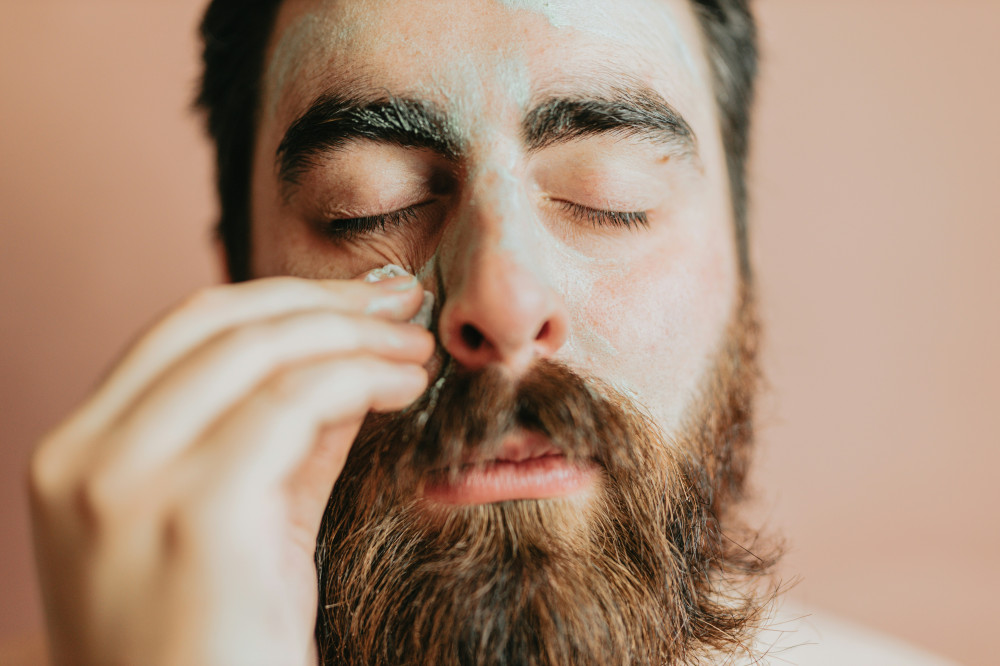
We’ve all had those mornings when the mirror tells the truth before we’re ready to hear it: dark circles under the eyes, dull skin, and a tired expression that no amount of coffee seems to fix. Fatigue doesn’t just live in your body—it shows up on your face. But what are these subtle changes really telling you, and how can you respond before exhaustion takes over? Here’s how to read your body’s signals and give yourself the rest you truly need.
When Your Skin Speaks for You
Your skin is often the first place fatigue makes itself visible. It may look pale, dry, or less elastic. That’s because when your body is running on empty, it prioritizes essential functions like keeping your heart and brain going—leaving your skin lower on the list.
Dark circles under the eyes can signal lack of sleep, poor circulation, or dehydration. Puffy eyes in the morning might mean your sleep quality isn’t great, or that stress and too much sodium are causing fluid retention.
Start with the basics: drink enough water, get some fresh air, and make sleep a priority. Your skin quickly reflects the care you give your body.
The Many Faces of Fatigue
Fatigue isn’t just about missing a few hours of sleep. It can be physical, mental, or emotional—and often a mix of all three.
- Physical fatigue feels like heaviness in your body, sore muscles, and low energy.
- Mental fatigue shows up as trouble focusing, forgetfulness, and irritability.
- Emotional fatigue can feel like emptiness, lack of motivation, or a desire to withdraw from others.
Recognizing which kind of fatigue you’re dealing with helps you choose the right way to recharge. Sometimes a nap helps; other times, you need quiet, emotional space, or a break from constant demands.
Subtle Signs You Shouldn’t Ignore
Your body often whispers before it shouts. Early signs of fatigue can include:
- Frequent headaches or tension in your neck and shoulders
- Irregular appetite or sugar cravings
- Short temper or feeling “on edge”
- Sleep that doesn’t feel refreshing, even after many hours
These are your body’s early warning signals. Ignoring them for too long can lead to chronic stress or burnout. It’s important to respond early—even if you “just” feel a little tired.
Give Yourself Permission to Rest
In a culture that celebrates productivity, rest can feel like a luxury or even a weakness. But rest isn’t a reward—it’s a requirement for health and happiness.
Try building small moments of calm into your day:
- Close your eyes and take a few deep breaths.
- Step outside for a short walk without your phone.
- Listen to calming music.
- Turn off screens an hour before bed.
These simple habits help your nervous system unwind and improve sleep quality. Over time, you’ll notice your energy—and your glow—returning.
Beauty from the Inside Out
When you take care of yourself, it shows. A balanced diet rich in vegetables, whole grains, and healthy fats supports radiant skin, while regular movement boosts circulation and reduces puffiness.
You can also support your skin externally with gentle cleansers, hydrating products, and a nourishing night cream. But remember: no skincare routine can replace rest, balance, and self-care. True beauty starts from within—and the best “face mask” is often a good night’s sleep.
Læs også:




Listen to Yourself—Every Day
Understanding your body’s signals is about paying attention. Ask yourself daily: How do I really feel? Am I tired, hungry, stressed, or just in need of a break? The more you listen, the easier it becomes to act before fatigue takes hold.
Taking care of yourself isn’t selfish—it’s an investment in your well-being, your health, and your joy. When you give yourself the rest you need, you gain the energy to show up fully for everything—and everyone—that matters most.
Læs også: