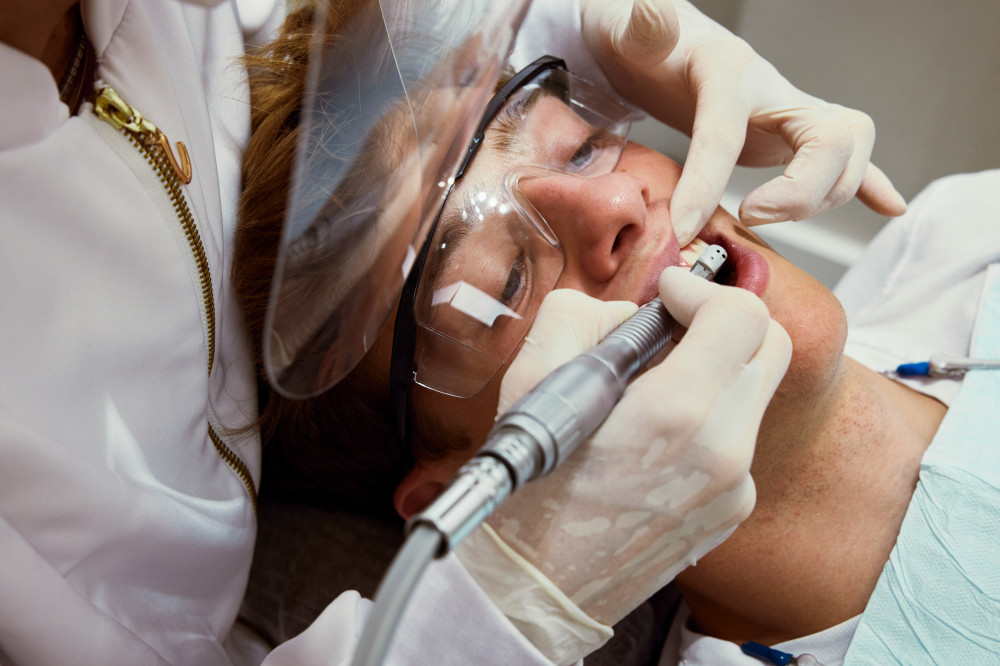
Talk Openly with Your Dentist – How to Ease Your Dental Anxiety

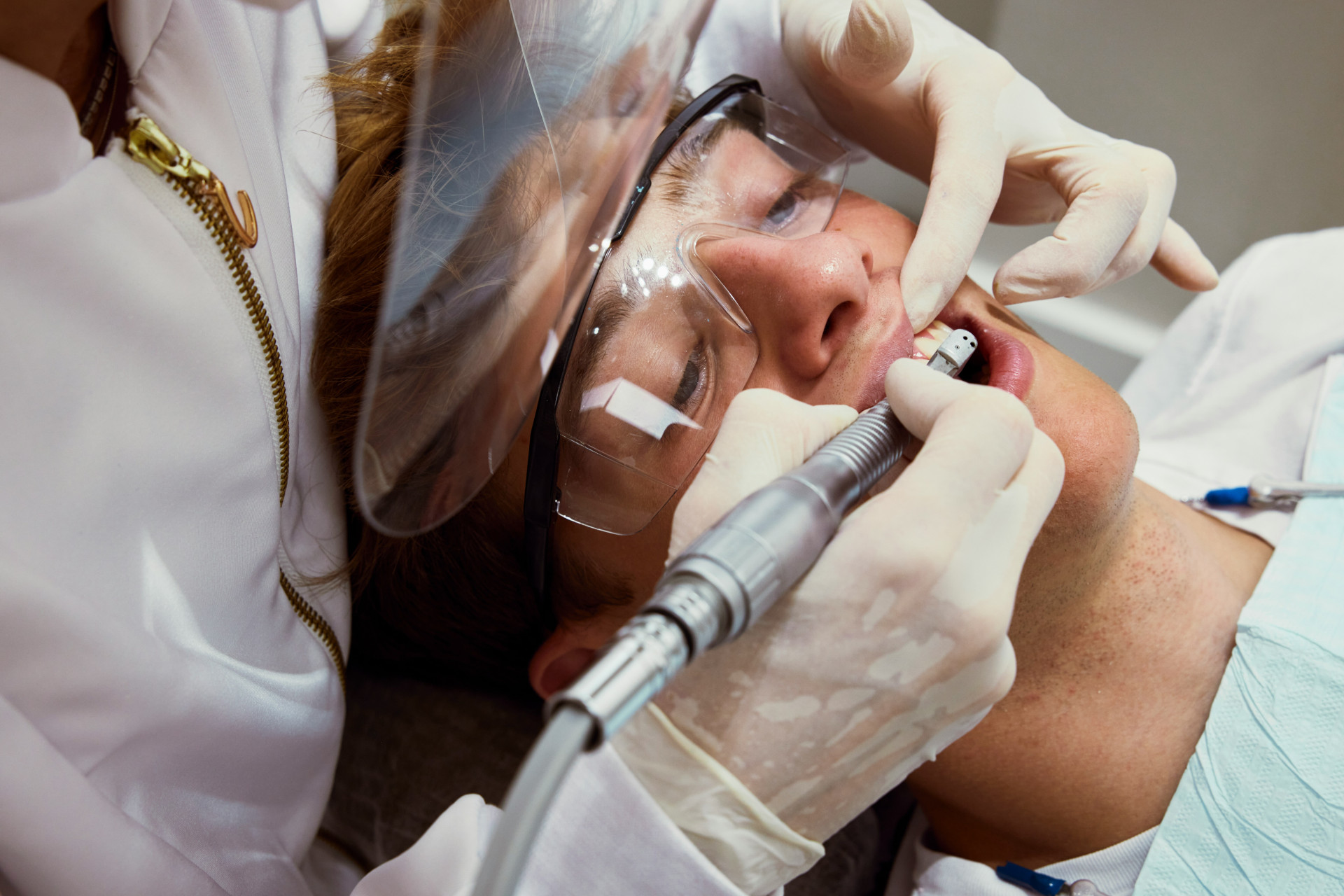
Talk Openly with Your Dentist – How to Ease Your Dental Anxiety
For many people, a trip to the dentist brings on feelings of nervousness or even fear. The sound of the drill, the smell of the office, or simply sitting in the chair can make your heart race. Dental anxiety is more common than you might think—and there are effective ways to manage it. One of the most powerful is open communication with your dentist. Here’s how you can take back control and make your dental visits more comfortable.
Understand Your Dental Anxiety
Dental anxiety can stem from many sources. Some people have had a painful or negative experience in the past, while others fear pain, loss of control, or the feeling of being trapped. For some, embarrassment plays a role—especially if they’ve avoided the dentist for a long time and worry about being judged.
The first step in easing your anxiety is understanding what triggers it. Try to identify what specifically makes you uneasy. Is it the sound of the drill, the injection, or the anticipation of discomfort? The better you understand your own reactions, the easier it will be to explain them to your dentist—and to get the right support.
Speak Up—It Makes a Difference
Many people try to hide their nervousness, but that rarely helps. Dentists see anxious patients every day and are trained to handle those situations with care. When you share how you feel, your dentist can adjust the treatment to make you more comfortable.
Let the dental office know about your anxiety when you schedule your appointment. They can often allow extra time or plan the visit so you don’t feel rushed. During the procedure, agree on a signal—like raising your hand—if you need a break. Having that sense of control can significantly reduce your stress.
Build Comfort Through Preparation
The more prepared you are, the less unpredictable the experience will feel. Consider these steps:
- Visit the office ahead of time just to meet the staff and see the environment. Familiarity can make the actual appointment easier.
- Schedule a consultation first to talk about your fears and create a plan with your dentist.
- Bring a friend or family member for support, especially for your first visit.
- Listen to music or a podcast during treatment if your dentist allows it—it can help distract you and calm your mind.
Small steps can make a big difference. The key is to feel that you have a say in how the visit goes.
Choose the Right Dentist
Not all dentists have the same level of experience with anxious patients. It’s worth finding a practice that emphasizes comfort and communication. Many dental offices in the U.S. offer “comfort care” or “sedation dentistry” options, where you can receive treatment with mild sedation or relaxation techniques.
Read reviews, ask friends or family for recommendations, and don’t hesitate to switch dentists if you don’t feel at ease. A trusting relationship with your dentist is essential for reducing anxiety and maintaining good oral health.
Læs også:



When Anxiety Feels Overwhelming
If your fear is so strong that you avoid the dentist altogether, consider seeking professional help. Therapists who specialize in anxiety can teach coping strategies and relaxation techniques. Some dentists also work with mental health professionals or offer sedation options to make treatment possible.
Take things at your own pace. Every successful visit—no matter how small—builds your confidence and helps you move forward.
A Partnership, Not a Battle
Easing dental anxiety isn’t about forcing yourself to be brave; it’s about creating a partnership between you and your dentist. When you’re honest about your fears, your dentist can tailor the experience to your needs. Together, you can find a rhythm that makes dental care a normal, stress-free part of your life.
A dental visit doesn’t have to be a struggle. With openness, trust, and the right strategies, you can take control of your oral health—and keep your smile healthy and confident.
Læs også: