Test Before You Apply: How to Try New Products and Avoid Skin Problems

Test Before You Apply: How to Try New Products and Avoid Skin Problems
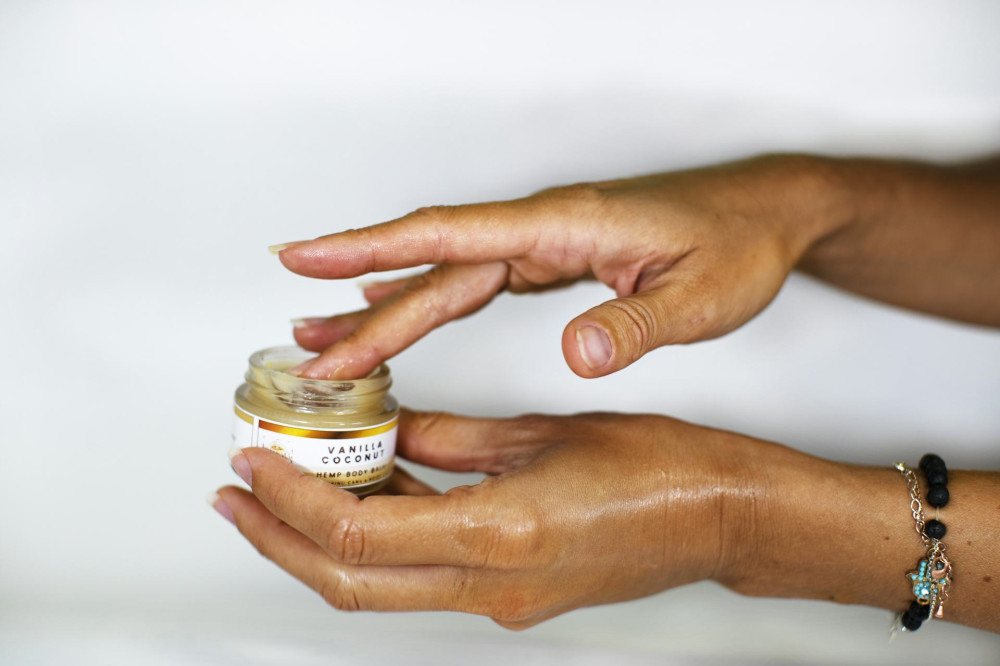
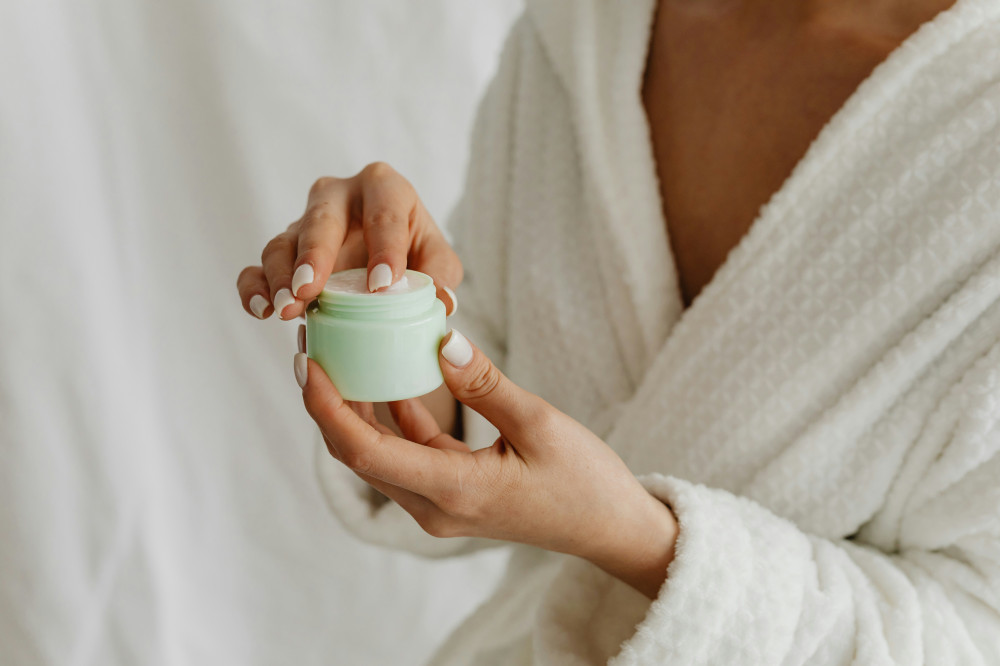
When you bring home a new moisturizer, serum, or sunscreen, it can be tempting to use it right away. But even products labeled “gentle” or “dermatologist-tested” can cause redness, itching, or breakouts. That’s why it’s smart to test new products before applying them all over your face or body. Here’s how to do it safely—and what to watch out for.
Why Test First?
Your skin is your body’s largest organ and your first line of defense against the outside world. But it can also be sensitive to new ingredients, especially if you have allergies, eczema, or easily irritated skin. Testing helps you find out whether a product contains something your skin doesn’t tolerate—before you end up with a full-blown reaction.
Even “natural” or “fragrance-free” products can cause irritation. It’s not just about what’s on the label—it’s about how your skin responds to that specific combination of ingredients.
How to Do a Patch Test
A patch test is a simple way to check how your skin reacts to a new product before using it more widely.
- Choose a discreet area—the inside of your forearm or behind your ear works well. The skin there is similar to facial skin but less visible if irritation occurs.
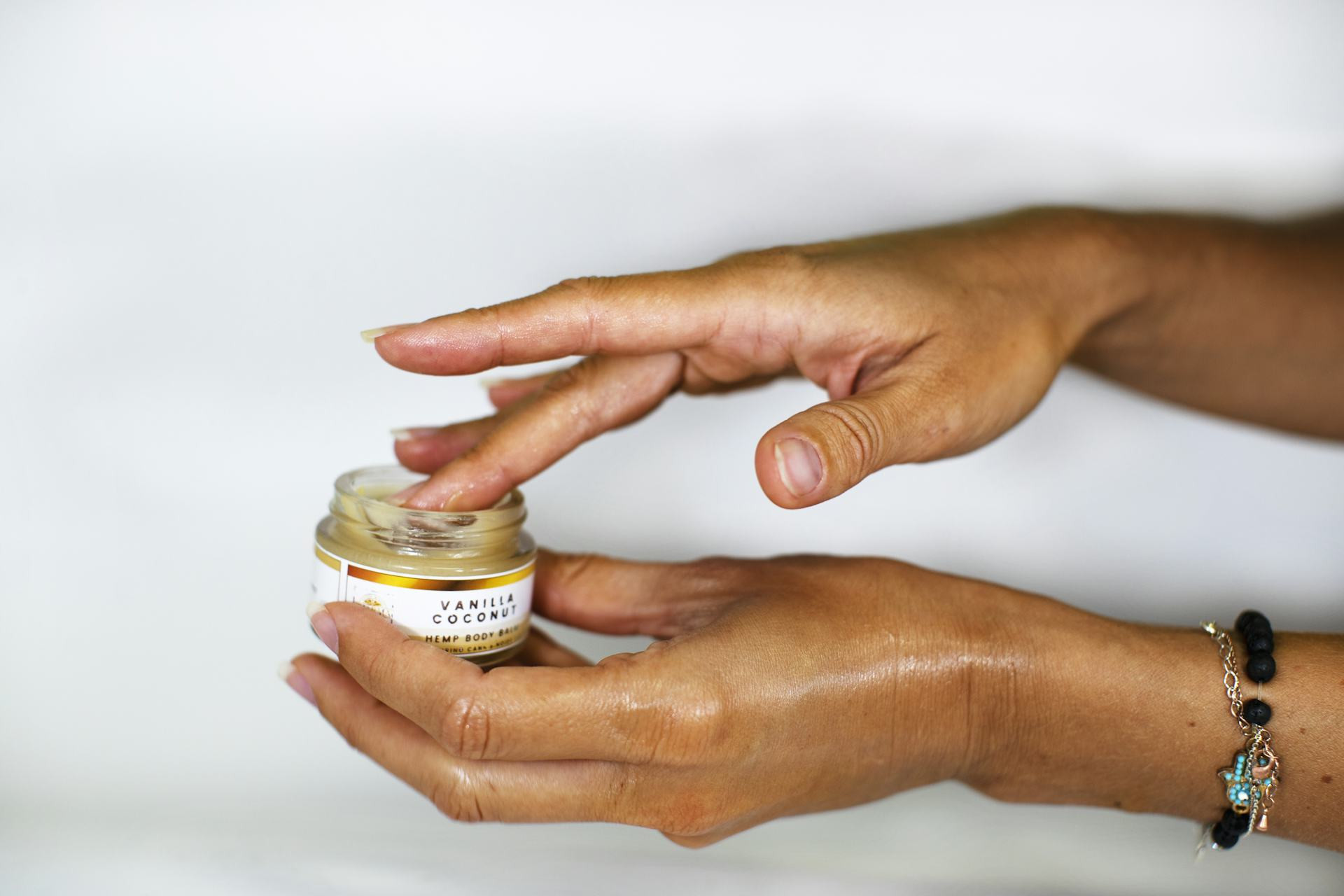
- Apply a small amount of the product to that spot. You can cover it with a bandage to keep it from rubbing off.
- Wait 24–48 hours without washing the area. Watch for redness, itching, swelling, or rash.
- Check the results—if your skin looks normal, it’s usually safe to use. If you notice irritation, skip that product.
Patch testing is especially important for products that stay on your skin, like creams, serums, and lotions. Rinse-off products such as cleansers or shampoos are less likely to cause reactions but can still be tested if you’re unsure.
Know Your Ingredients
Reading ingredient lists can be overwhelming, but some ingredients are more likely to cause irritation or allergic reactions. Keep an eye out for:
- Fragrance and essential oils – even natural scents can trigger allergies.
- Preservatives such as methylisothiazolinone (MI) or parabens.
- Alcohol – can dry out or sting sensitive skin.
- Acids and retinol – effective but potentially irritating if your skin isn’t used to them.
If you’ve reacted to a product before, compare ingredient lists to spot common triggers. This can help you avoid future problems.
Introduce One Product at a Time
When trying new skincare, patience pays off. Start with one new product and use it for a couple of weeks before adding another. If you introduce several at once and your skin reacts, it’s hard to know which one caused it.
Gradual testing helps you build a routine that truly works for your skin—without the guesswork.
What to Do if You React
If you notice redness, itching, or burning, stop using the product immediately. Rinse the area with lukewarm water and a gentle, fragrance-free cleanser. Avoid applying other products until your skin calms down.
For severe reactions—such as swelling, blisters, or persistent rash—contact your healthcare provider or a board-certified dermatologist. They can help identify the cause and may recommend allergy testing.
Shopping Online? Be Extra Careful
When buying skincare online, you can’t test before you buy. That makes it even more important to read ingredient lists carefully. Look for sample sizes or travel versions so you can test before committing to a full-size product.
Check reviews from people with similar skin types, but remember: everyone’s skin is different. What works for one person might not work for you.
Læs også:


Make Testing a Habit
Testing new products doesn’t have to be complicated. It’s simply a smart step to protect your skin every time you try something new. By making patch testing part of your routine, you can avoid unpleasant surprises and enjoy your skincare with confidence.
Your skin is unique—and it deserves care and attention. A quick test today can save you from irritation tomorrow.
Læs også: