Bags under your eyes? How sleep and hydration affect your skin

Bags under your eyes? How sleep and hydration affect your skin
Most of us have woken up to find puffy, dark circles under our eyes — the telltale sign of fatigue that can make us look older or more tired than we feel. But what actually causes those bags, and why do they seem worse some days than others? The answer often lies in a mix of sleep habits, hydration levels, and the natural aging process. Here’s how your daily routines affect the delicate skin around your eyes — and what you can do to keep it looking fresh.
The skin around your eyes – your body’s most delicate area
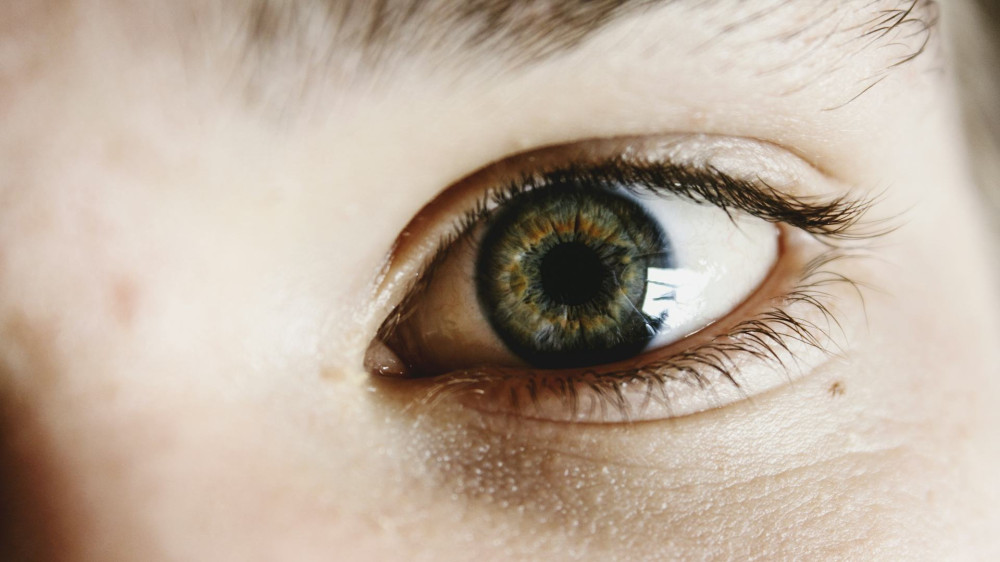
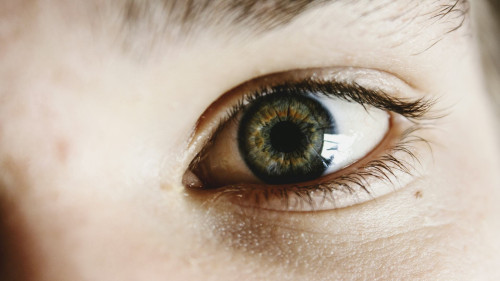
The skin under your eyes is thinner and more fragile than anywhere else on your body. It has fewer oil glands and less fatty tissue, which makes it more prone to dryness, swelling, and loss of elasticity. Because of this, even small changes in sleep or hydration can quickly show up as puffiness or dark shadows.
When blood circulation slows — for example, due to lack of sleep or dehydration — fluid and waste can build up in the tissue under your eyes. This leads to swelling and a darker appearance.
The role of sleep: when your body repairs itself
Sleep is when your body goes into repair mode. During the night, blood flow to the skin increases, and cells regenerate. If you don’t get enough rest, this process is disrupted, leaving your skin looking dull and tired.
Lack of sleep can also cause the blood vessels under your eyes to dilate, making the area appear darker. At the same time, your body may struggle to regulate fluid balance, leading to puffiness. Even a few nights of poor sleep can show up in the mirror — but the good news is that your skin often recovers once you get back to a healthy sleep routine.
Hydration balance: too little or too much water?
It might sound counterintuitive, but both dehydration and overhydration can cause bags under your eyes. When your body doesn’t get enough water, it tries to hold on to what it has, which can lead to swelling. On the other hand, drinking too much water late at night or eating salty foods can also cause fluid retention and puffiness the next morning.
A good rule of thumb is to stay consistently hydrated throughout the day — not too little, not too much — and to avoid heavy salt intake or alcohol before bed. Both can throw off your body’s fluid balance and make your eyes look swollen.
Age and genetics matter too
While sleep and hydration play major roles, some factors are beyond your control. As we age, the skin naturally becomes thinner, and the fat pads under the eyes can shift downward, creating a more permanent look of puffiness. Genetics also play a part — some people are simply more prone to darker or puffier under-eye areas.
In these cases, the goal isn’t to eliminate the bags completely but to care for and protect the skin so it looks its best.
Læs også:


How to reduce bags under your eyes
Even though you can’t change everything, small adjustments can make a big difference:
- Get consistent sleep – Aim for 7–8 hours per night.
- Elevate your head slightly – Sleeping with an extra pillow can help prevent fluid from pooling under your eyes.
- Cool the area – A cold spoon, damp washcloth, or cooling eye mask can reduce swelling.
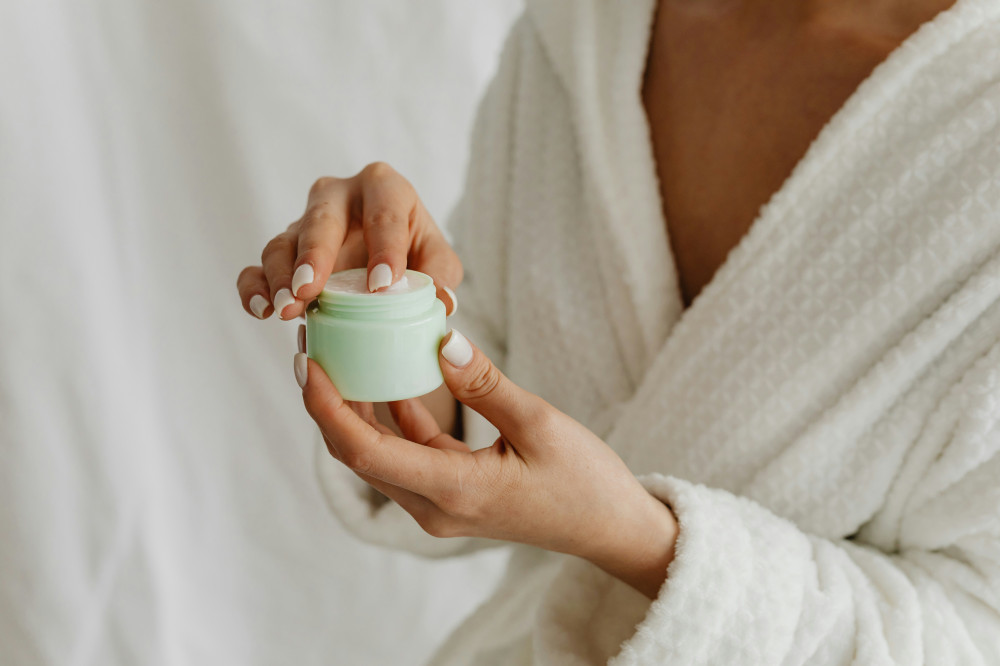
- Moisturize – Use a gentle eye cream with hydrating ingredients like hyaluronic acid.
- Eat a balanced diet – Fruits, vegetables, and healthy fats support skin elasticity and circulation.
- Avoid smoking – Tobacco reduces blood flow and accelerates skin aging.
These small habits, when practiced regularly, can help your skin look more rested and vibrant.
When puffiness doesn’t go away
If the swelling persists even after you’ve improved your sleep and hydration, it could be a sign of allergies, hormonal changes, or circulation issues. In that case, it’s worth checking in with a healthcare provider or dermatologist to rule out underlying causes.
For most people, though, under-eye bags are temporary — your body’s way of saying it needs a little more rest, water, and balance.
Læs også: