How to Protect Your Eyes from Wind, Dust, and Pollution


How to Protect Your Eyes from Wind, Dust, and Pollution
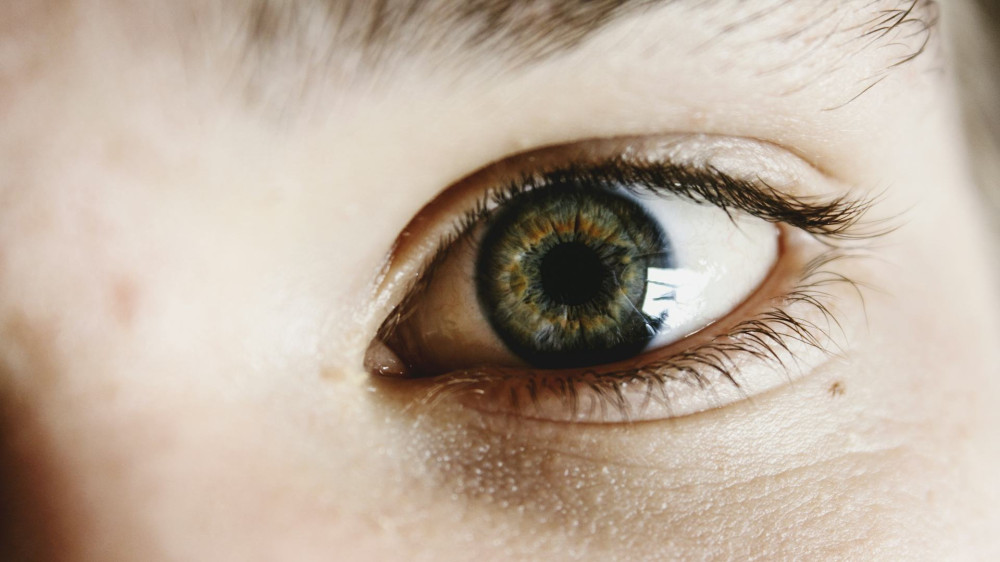
Our eyes are among the most sensitive organs in the body—and also some of the most exposed. Wind, dust, and pollution can irritate, dry out, and even damage the surface of the eye. Fortunately, a few simple habits can help you protect your eyes and reduce discomfort. Here’s a guide to keeping your vision healthy in everyday life.
Why Your Eyes Are So Vulnerable
The surface of the eye is covered by a thin tear film that keeps it moist and shields it from particles and bacteria. When you’re exposed to wind, dry air, or polluted environments, this tear film can evaporate more quickly, leaving your eyes unprotected. That can lead to symptoms such as burning, redness, itching, and a gritty feeling.
Air pollution—especially from traffic, smoke, and industrial emissions—contains microscopic particles that can irritate the eyes and increase the risk of inflammation. That’s why eye protection matters not only in extreme conditions but also in daily urban life.
Wear Protective Eyewear in Windy or Dusty Conditions
One of the most effective ways to guard against wind and dust is to wear good-quality eyewear. Regular sunglasses with a snug fit can make a big difference. Choose wraparound styles that cover the sides of your eyes to block wind and airborne particles.
If you bike, run, or work outdoors, consider sports sunglasses or goggles designed for active use. For very dusty environments—like yard work, construction, or woodworking—tight-fitting safety glasses provide the best protection.
Læs også:



Keep Your Eyes Moist
Dry eyes are one of the most common problems caused by wind and pollution. You can prevent them by:
- Using artificial tears – preservative-free eye drops can be used several times a day to keep your eyes lubricated.
- Avoiding rubbing your eyes, even if they itch—it can worsen irritation.
- Staying hydrated, since dehydration can reduce tear production.
- Using a humidifier at home, especially during winter when indoor air tends to be dry.
If you wear contact lenses, consider lenses designed for dry eyes or switch to glasses on particularly windy or dusty days.
Be Aware of Urban Pollution
In cities with heavy traffic and high air pollution, your eyes are exposed to fine particles that can settle on the surface. To protect yourself:
- Limit time spent near busy roads when possible.
- Rinse your eyes gently with sterile saline if they feel irritated after a day in the city.
- Wear sunglasses to act as a barrier against both particles and UV rays.
It’s also a good idea to clean the skin around your eyes in the evening to remove any dust or residue that could cause irritation.
Take Care in Windy Weather and at the Beach
Wind and saltwater can dry out your eyes quickly. At the beach, in the mountains, or on windy days, it’s especially important to protect them. Wear sunglasses with UV protection, and avoid facing directly into the wind. If sand or salt gets into your eyes, rinse immediately with clean water or saline solution—never rub.
Give Your Eyes a Break
Even indoors, your eyes can become strained, especially if you spend long hours in front of a screen. Combined with dry air from heating or air conditioning, this can lead to irritation. Remember to blink often, look away from your screen regularly, and use lubricating drops if needed throughout the day.
When to Seek Professional Help
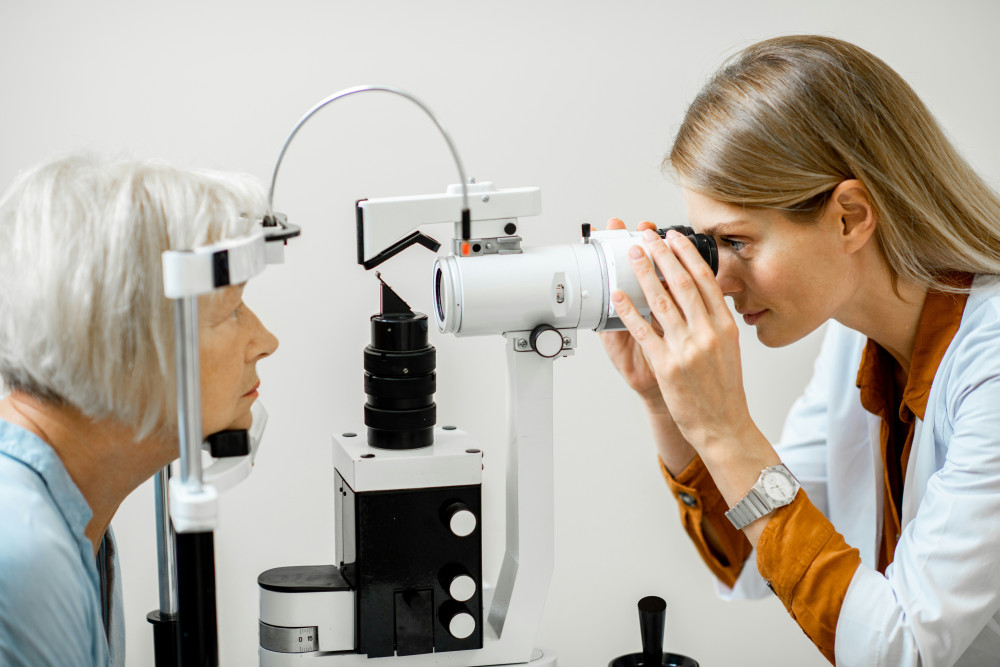
If you experience persistent redness, pain, blurred vision, or light sensitivity, contact an optometrist or ophthalmologist. These symptoms could indicate an infection or another condition that requires treatment. Early attention can prevent more serious problems.
Small Habits, Big Difference
Protecting your eyes isn’t just about reacting when they feel irritated—it’s about prevention. A good pair of glasses, moisturizing drops, and awareness of your surroundings can make a big difference in your comfort and eye health. Your eyes are meant to last a lifetime—so give them the care they deserve.
Læs også: