From TikTok to Reality: How Beauty Trends Take Shape in the Digital Age

From TikTok to Reality: How Beauty Trends Take Shape in the Digital Age
In just a few years, social media has become the driving force behind new beauty trends. Where glossy magazines and celebrity endorsements once dictated what was fashionable, platforms like TikTok, Instagram, and YouTube now set the tone. A 15-second clip can spark global demand for a product, change how we apply makeup, or even reshape our ideas of beauty. But how do these trends emerge—and what do they mean for our everyday relationship with beauty?
From Niche to Nationwide in a Matter of Days
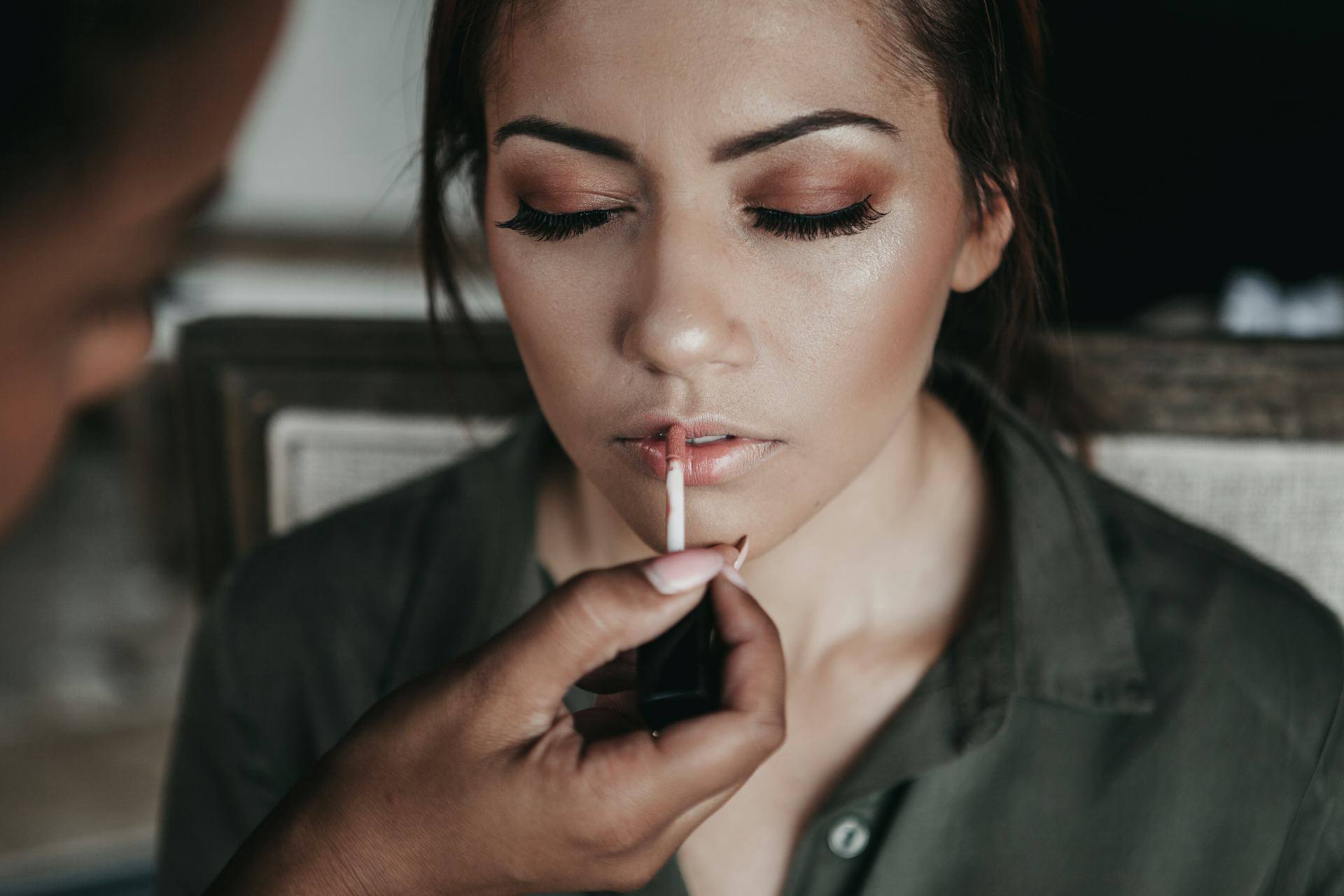
TikTok has turned anyone with a smartphone into a potential trendsetter. A single user can share a new technique, product, or aesthetic that quickly spreads across the platform. Hashtags like #CleanGirlAesthetic, #LatteMakeup, or #GlazedDonutSkin ripple through the algorithm, and suddenly millions are trying the same look.
What sets TikTok apart from earlier platforms is its speed and accessibility. The algorithm rewards creativity and authenticity over polished production. That means trends often start in bedrooms, not boardrooms. A college student in Texas or a makeup artist in Los Angeles can have more influence on beauty ideals than a major cosmetics brand.
Læs også:
Authenticity as the New Ideal
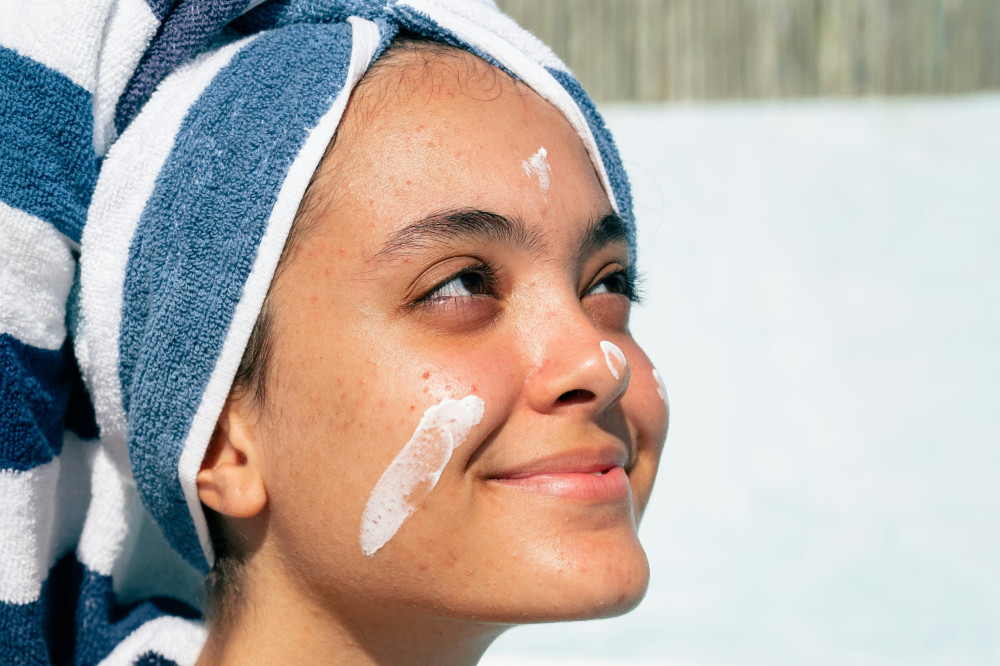
As users grow weary of overly filtered perfection, a counter-movement has emerged—one that celebrates the natural and imperfect. Trends like “no-makeup makeup” and “clean beauty” emphasize real skin, freckles, and individuality. It’s no longer just about covering flaws but about expressing personality.
This shift has changed how brands communicate. Many beauty companies now collaborate with micro-influencers who feel more relatable than traditional models. Consumers want to see products used in real life, not just in airbrushed campaigns. The result is a more personal, conversational approach to beauty marketing.
When Algorithms Shape Self-Image
While digital beauty trends can be fun and inspiring, they also have a darker side. Social media algorithms tend to amplify certain faces, body types, and aesthetics, creating a narrow standard of beauty. Constant exposure to “perfect” skin and symmetrical features can affect self-esteem—especially among teens and young adults.
Studies in the U.S. have shown that social media can both empower and pressure users. On one hand, it fosters creativity and community; on the other, it can lead to comparison and dissatisfaction. Navigating that tension—between inspiration and influence—has become part of the modern beauty experience.
Beauty as Community and Identity
One of the most positive outcomes of digital beauty culture is its inclusivity. On TikTok, you can find tutorials for every skin tone, hair texture, and gender expression. This diversity has opened doors for voices that were long overlooked by the traditional beauty industry.
For many Americans, beauty today is less about appearance and more about identity and belonging. Experimenting with makeup or skincare can be a form of self-expression—and a way to connect with others who share similar interests. Beauty becomes not just a look, but a language of community.
From Trend to Everyday Routine
Even though social media trends can seem fleeting, many leave a lasting mark. Techniques and products that start as viral sensations often become part of daily routines. The rise of “skinimalism”—the idea of using fewer, higher-quality skincare products—is one example of a digital trend that has reshaped consumer habits.
This shows that online trends aren’t just about quick likes; they can drive real changes in behavior. When a trend resonates as authentic and practical, it tends to stick.
A New Era of Beauty
The digital age has made beauty more democratic—but also more complex. We now have the freedom to define our own aesthetic, but also the responsibility to navigate a constant stream of ideals. The future of beauty may be less about chasing trends and more about understanding how they form and what they mean for us.
Being aware of how social media shapes our self-image is the first step toward a healthier, more mindful beauty culture—both online and in real life.
Læs også: