Preventing Infections During Brow and Lash Treatments

Preventing Infections During Brow and Lash Treatments
Brow and lash treatments have become a staple in many people’s beauty routines. From tinting and lash lifts to microblading and extensions, the options are endless. But because these procedures take place close to the eyes and involve the skin, there’s always a risk of infection if hygiene isn’t properly maintained. Here’s a guide to help both professionals and clients minimize the risk of complications.
Why Infections Can Occur
The skin around the eyes is thin and sensitive, and the hair follicles of the brows and lashes are particularly vulnerable. When treatments involve needles, adhesives, dyes, or chemical solutions, even small lapses in hygiene can lead to irritation, inflammation, or allergic reactions. Infections can develop if bacteria, fungi, or viruses enter through tiny cuts or open pores.
Common signs of infection include redness, swelling, warmth, pain, or discharge. In more serious cases, the infection can spread and require medical attention. Prevention is always the best approach.
Læs også:
Hygiene Guidelines for Professionals
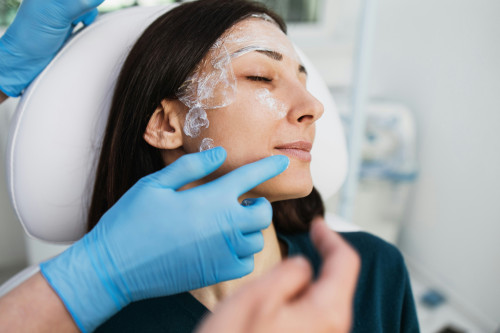
As a beauty professional, you have a responsibility to provide a clean and safe environment for your clients. The following practices should always be followed:
- Clean hands and gloves: Wash your hands thoroughly before and after each treatment, and wear disposable gloves when working close to the skin.
- Sterile tools: Use single-use tools whenever possible, and disinfect reusable instruments between clients.
- Sanitized work surfaces: Wipe down tables, lamps, and equipment with disinfectant before and after each session.
- Fresh products: Avoid using expired dyes, adhesives, or serums, as old products can harbor bacteria or lose effectiveness.
- Proper ventilation: Ensure good airflow in your workspace, especially when using products that release fumes, which can irritate the eyes and respiratory system.
A clean, professional environment not only builds trust but also protects both you and your clients from potential health issues.
What Clients Can Do
Clients also play an important role in preventing infections. Here are some simple steps to follow:
- Choose a licensed professional: Make sure your technician is properly licensed and follows state and local health regulations.
- Arrive with clean skin: Remove makeup and skincare products before your appointment to reduce the risk of bacteria entering the skin.
- Avoid touching the area afterward: Hands carry bacteria, and touching treated areas can increase the risk of infection.
- Follow aftercare instructions carefully: Use only recommended products and avoid water, makeup, or steam for the first 24–48 hours, depending on the treatment.
- Monitor your skin’s reaction: If you notice excessive redness, swelling, or pain, contact your technician or a healthcare provider.
Specific Risks by Treatment Type
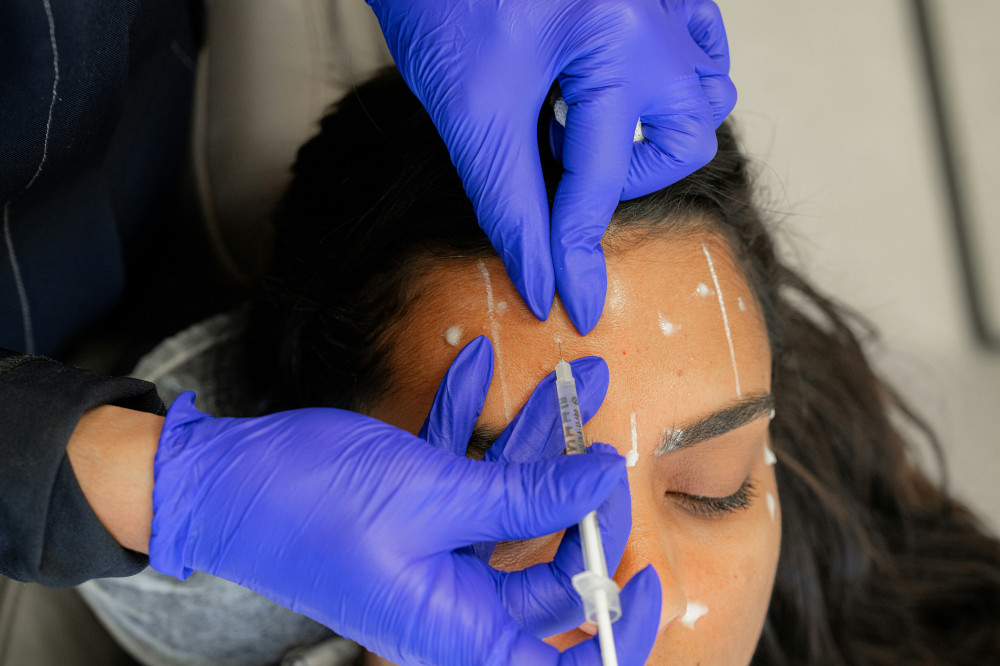
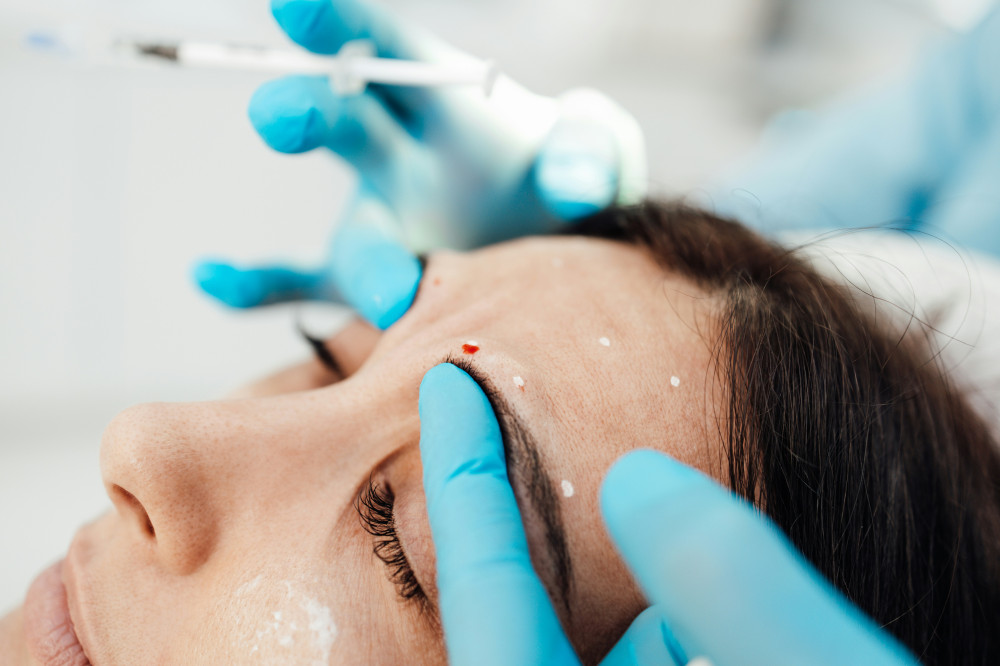
- Microblading: This procedure breaks the skin with fine needles, so sterile equipment and proper aftercare are essential. Using unsterile tools can lead to serious infections.
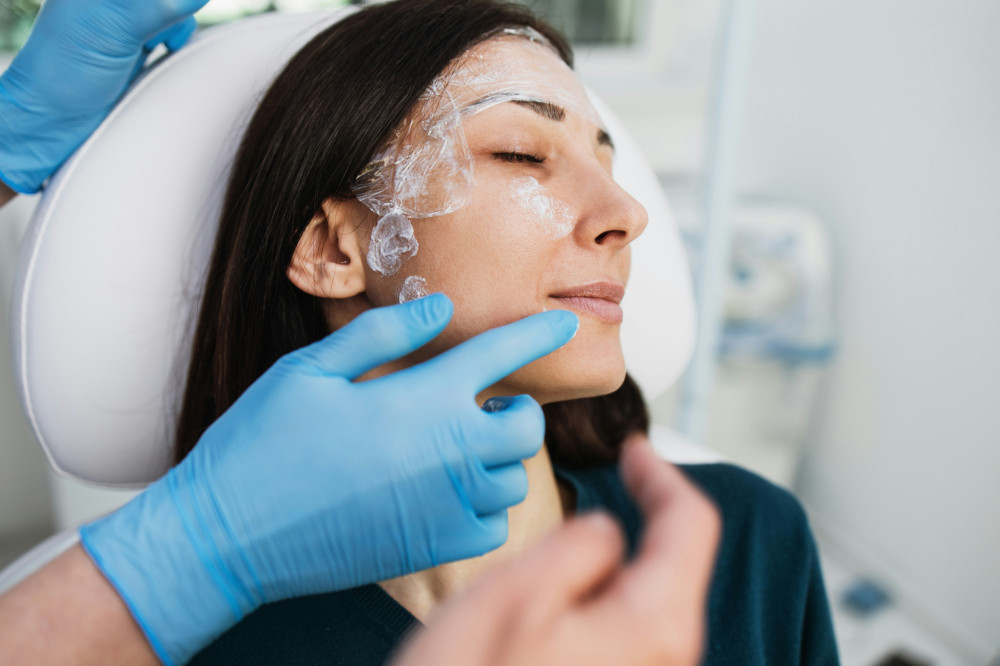
- Lash lifts and tinting: Chemical solutions can irritate the eyes if not applied correctly. A patch test before treatment can help identify potential allergies.
- Lash extensions: Adhesives can cause allergic reactions, and poor lash hygiene afterward can lead to bacterial buildup.
- Brow lamination: Overprocessing or frequent treatments can weaken the skin barrier, making the area more prone to irritation and infection.
When to Seek Medical Help
Mild irritation can be normal after a treatment, but you should seek medical attention if you experience:
- Persistent swelling or pain
- Pus or fluid discharge
- Fever or general malaise
- Vision changes or eye pain
Prompt treatment can prevent a minor issue from becoming a serious infection.
Prevention Is the Best Beauty Routine
Beautiful brows and lashes can boost your confidence, but your health should always come first. By choosing a qualified professional, maintaining good hygiene, and paying attention to your body’s signals, you can enjoy your results safely. A clean and careful approach isn’t just about looking good—it’s an investment in your overall well-being.
Læs også: