The Skin Microbiome: The New Path to Natural Anti-Aging Care

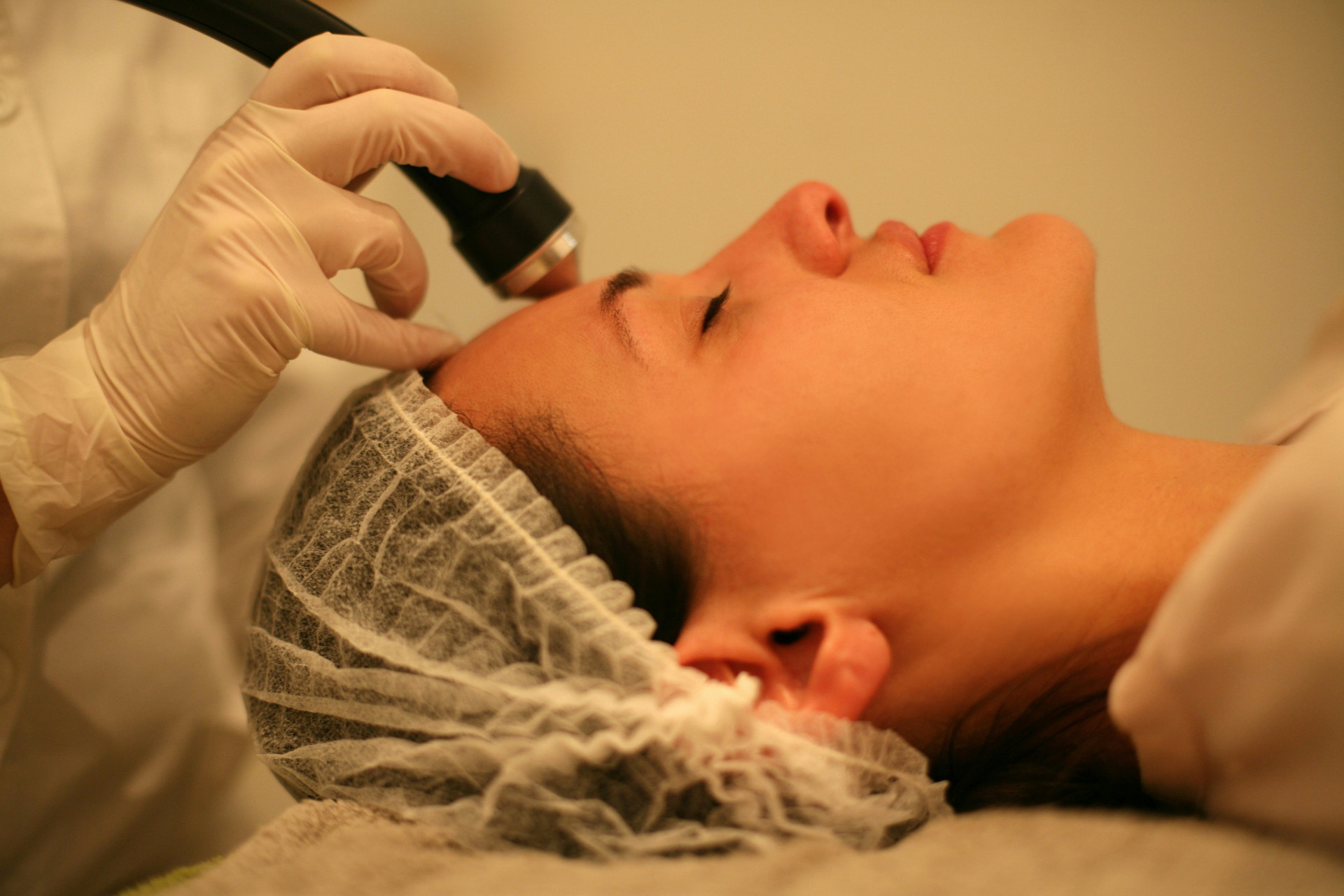
The Skin Microbiome: The New Path to Natural Anti-Aging Care
For decades, anti-aging skincare has focused on fighting wrinkles, tightening skin, and adding moisture from the outside. But new research suggests that the secret to youthful, radiant skin may lie much deeper — in the skin’s own microbiome. This invisible ecosystem of bacteria, fungi, and other microorganisms lives on the skin’s surface and plays a vital role in its health, balance, and aging process.
What Is the Skin Microbiome?
The skin microbiome is made up of billions of microorganisms that coexist with our skin cells. These tiny allies help protect against harmful bacteria, regulate pH levels, and strengthen the skin’s barrier function. When the microbiome is balanced, the skin is more resilient, less prone to irritation, and better able to retain moisture.
However, modern lifestyles can easily disrupt this delicate balance. Over-cleansing, frequent use of antibacterial products, stress, pollution, and even certain skincare ingredients can reduce microbial diversity. The result? Dryness, redness, breakouts, and premature signs of aging.
Why the Microbiome Matters for Anti-Aging
Aging isn’t just about losing collagen and elasticity — it’s also about how well the skin’s natural defense system functions. A healthy microbiome can calm inflammation, protect against oxidative stress, and support the skin’s ability to repair itself. All of these factors influence how the skin looks and feels as it ages.
Emerging studies show that an imbalanced microbiome can accelerate visible aging, leading to fine lines, dullness, and uneven tone. That’s why many skincare brands in the U.S. are now turning to probiotic and prebiotic ingredients as a natural way to maintain youthful, healthy-looking skin.
Læs også:
Probiotics, Prebiotics, and Postbiotics – What’s the Difference?
These terms may sound scientific, but they describe different ways to support the skin’s microbiome:
- Probiotics are beneficial microorganisms that help strengthen the skin’s natural bacterial community. In skincare, they’re often used in stabilized forms that help restore balance.
- Prebiotics act as “food” for the good bacteria, helping them thrive and outcompete harmful microbes.
- Postbiotics are the byproducts of bacterial activity — such as enzymes, peptides, and acids — that can soothe, protect, and strengthen the skin.
Together, these components create an environment where the skin’s microbiome can flourish, helping to reduce signs of aging naturally.
How to Support Your Skin’s Microbiome Every Day
Caring for your skin’s microbiome isn’t just about what you apply — it’s also about your daily habits. Here are some simple ways to keep it balanced:
- Choose gentle cleansers that don’t strip away natural oils. Avoid harsh alcohols and sulfates that can disrupt the microbiome.
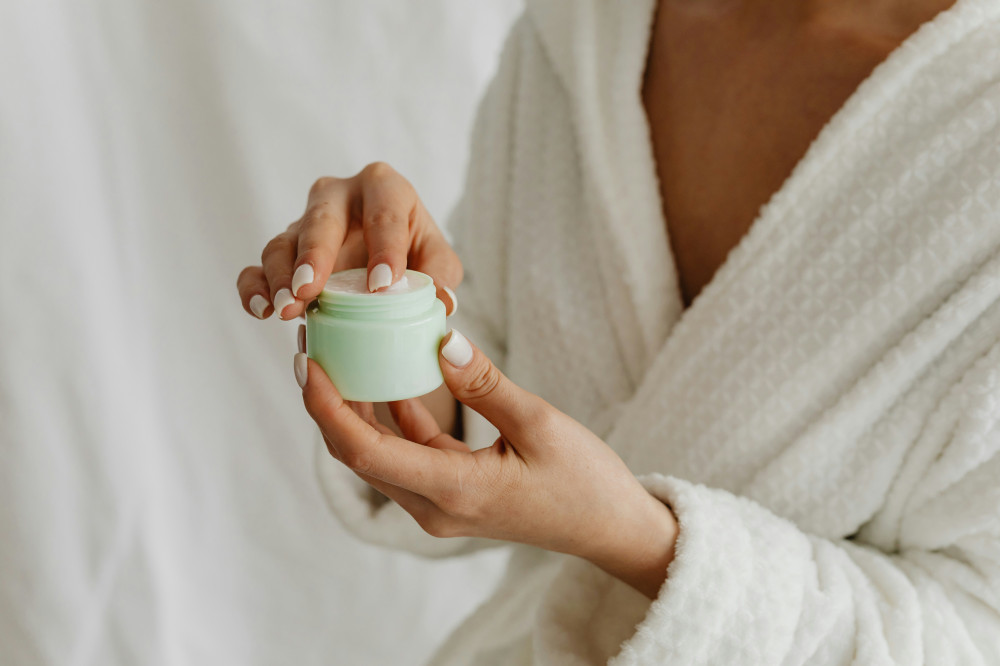
- Incorporate probiotic or prebiotic skincare, such as products with fermented extracts, lactic acid bacteria, or plant-based sugars.
- Avoid over-exfoliating. Too much scrubbing or peeling can damage the skin’s protective barrier.
- Eat a balanced, fiber-rich diet. A healthy gut microbiome supports the skin’s microbiome through the body’s immune and hormonal systems.
- Manage stress and get enough sleep. Both have a direct impact on skin balance and regeneration.
The Future of Skincare Is Alive
The beauty industry is shifting toward a more holistic approach — one that respects the skin’s natural processes instead of fighting them. The goal is no longer to “defy” aging, but to work with the skin, supporting its own mechanisms to stay strong and vibrant for longer.
The skin microbiome is one of the most exciting frontiers in modern dermatology. It suggests that the path to youthful skin doesn’t necessarily lie in synthetic ingredients, but in understanding and nurturing the living ecosystem that protects us every day. When we care for our microbiome, we’re not just caring for our skin — we’re supporting our body’s natural harmony in the most authentic way.
Læs også: