Stretch Marks Explained – What They Are and How They Form

Stretch Marks Explained – What They Are and How They Form
Most people develop stretch marks at some point in their lives. They can appear during pregnancy, puberty, rapid weight gain, or intense physical training. While they’re completely harmless, some people find them bothersome from a cosmetic point of view. But what exactly are stretch marks, and why do they form? Here’s a closer look at what happens in the skin when they appear—and why they look the way they do.
What Are Stretch Marks?
Stretch marks, or striae, are small, elongated scars that form when the skin stretches faster than it can adapt. They usually appear as reddish, purplish, or later whitish lines that vary in length and width. Common areas include the abdomen, thighs, hips, breasts, and upper arms—places where the skin experiences the most stretching.
Although many associate stretch marks with pregnancy, they’re just as common in men as in women. In fact, it’s estimated that up to 80% of people will develop them to some degree during their lifetime.
How Do They Form?
The skin is made up of three layers: the epidermis, dermis, and subcutaneous tissue. Stretch marks form in the dermis, where collagen and elastin fibers provide strength and elasticity. When the skin stretches too quickly, these fibers can tear. The body repairs the damage, but the healing process leaves behind a scar—what we see as a stretch mark.
At first, the marks often appear red or purple because the underlying blood vessels are more visible. Over time, they fade and become white or silvery. While they may become less noticeable, they rarely disappear completely.
Læs også:
Who Gets Stretch Marks—and Why?
Several factors influence whether someone develops stretch marks:
- Rapid body changes – such as during pregnancy, weight gain, or weight loss.
- Hormonal changes – especially during puberty or when using certain hormone-based medications.
- Genetics – some people naturally have skin that’s more prone to developing stretch marks.
- Medical treatments – long-term use of corticosteroids can weaken the skin’s structure.
This means that even people with a healthy lifestyle and good skincare habits can get stretch marks—it largely depends on the skin’s natural elasticity.
Can You Prevent Stretch Marks?
There’s no guaranteed way to prevent stretch marks, but you can reduce the risk. Well-hydrated, nourished skin is more resilient to rapid changes. Here are a few tips:
- Keep your skin moisturized – use creams or oils, especially on areas prone to stretching.
- Eat a balanced diet – foods rich in vitamin C, zinc, and healthy fats support skin health.
- Stay hydrated – drinking enough water helps maintain skin elasticity.
- Avoid rapid weight changes – gradual changes give your skin time to adjust.
While these steps can’t completely prevent stretch marks, they may make them less noticeable.
Treating Stretch Marks
Once stretch marks have formed, they can’t be completely removed, but treatments can help reduce their appearance. Some of the most common options include:
- Laser therapy – stimulates new collagen production and improves skin texture.
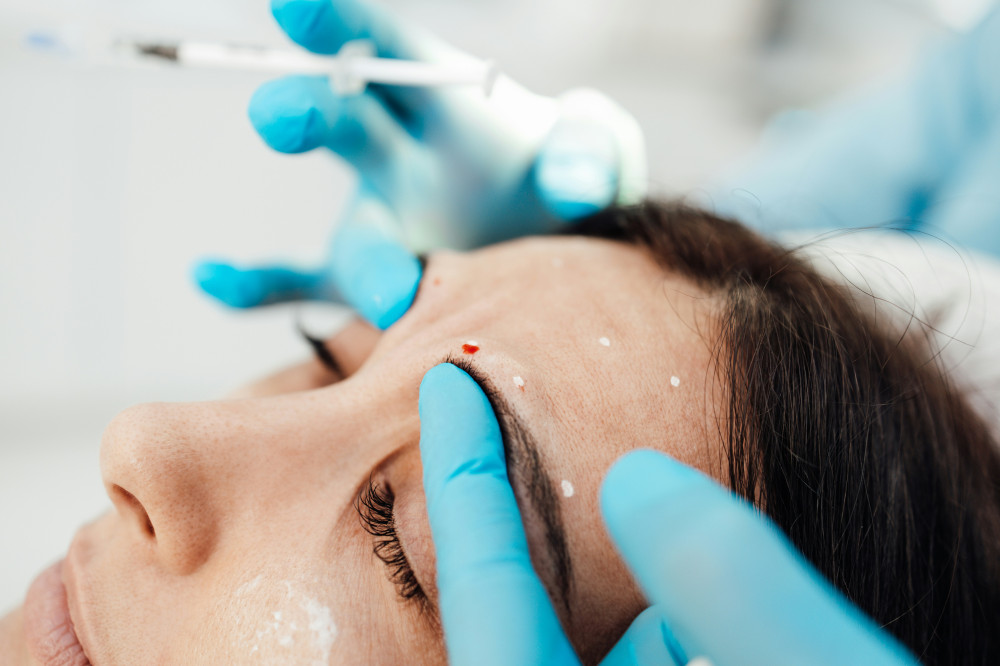
- Microneedling – tiny needles create micro-injuries that trigger skin renewal.
- Retinol creams – promote cell turnover and can make marks less visible over time.
- Chemical peels – remove the outer skin layers and help even out skin tone.
It’s important to have realistic expectations: treatments can improve the look of stretch marks but rarely erase them entirely. A dermatologist or licensed skincare professional can recommend the best approach for your skin type.
Stretch Marks as Part of Your Body
While many people want to minimize the appearance of stretch marks, it’s worth remembering that they’re a natural part of how the body grows and changes. They tell a story of development, transformation, and life—and most people have them. In recent years, body positivity movements have encouraged more people to embrace their stretch marks as part of their unique appearance.
Understanding how they form can help you see them differently—not as flaws, but as natural signs of a body that adapts and evolves.
Læs også: